It’s virtually impossible to ignore the increasing size of trucks and SUVs on the roads today. And seeing these vehicles up-close hammered home just how ridiculous this all is.
Paul Lewis, policy director at the Eno Center for Transportation, discusses "Saving Time and Making Cents: A Blueprint for Building Transit Better" — about the differences between highway and transit capital projects and ways to create better governance and lower costs.
Legal experts explain why the victims of traffic violence can't likely sue U.S. automakers on the basis that their advertising campaigns lead drivers to misuse cars.
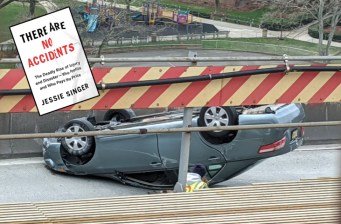
In our new Streetsblog USA podcast, we talk to journalist and sustainable transportation advocate Jessie Singer about her new book, "There Are No Accidents."
This excerpt from the new book, "There Are No Accidents: The Deadly Rise of Injury and Disaster — Who Profits and Who Pays the Price" will make you rethink crashes, capitalism and culpability.
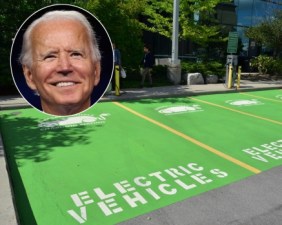
In doing so, the White House ensured that car culture will continue to help set the agenda on transportation policy after more than 70 years of misguided, deadly mistakes.
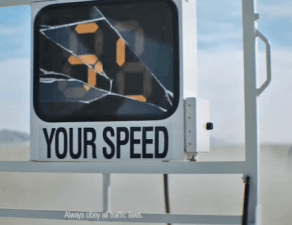
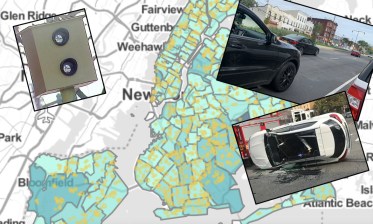
Speed cameras are not disproportionately concentrated in low-income communities of color, despite a pervasive belief that the cameras are a money-making ploy that unfairly target Black and Brown neighborhoods, a Streetsblog analysis reveals.
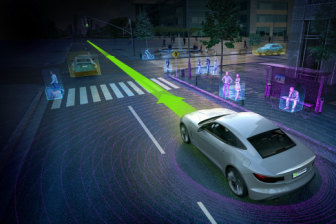
A recent Congressional hearing on "the road ahead for automated vehicles" largely ignored the potentially devastating effect that personally owned AVs could have on the neighborhoods those cars drive through.